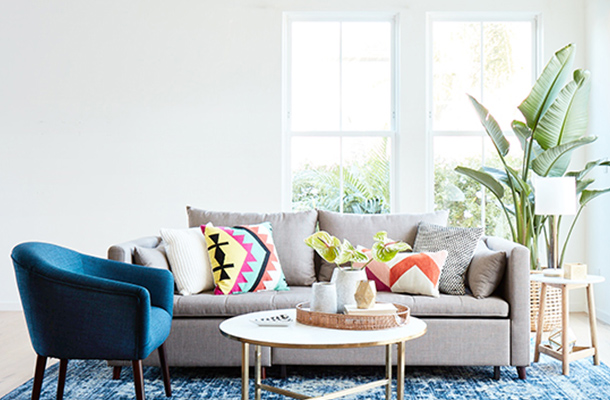

Painting your house is one of the easiest ways to give your home a fresh look, keep surfaces protected, and make your home feel more inviting. By using the right paint and ensuring your surfaces are properly prepared, you can give your living room, bedroom, or outside a fresh look.
As well as choosing the right colour, there are other considerations to make when your house painting. Using the right type of paint, making sure your walls are in good condition, the weather, and using the correct tools and techniques will ensure you get a neat and professional looking finish.
Why is Painting Your House Important?
By House painting, you will give your property a fresh look whilst protecting the walls, ceilings, doors, and other surfaces. Using interior paint in your rooms will make them look brighter and more comfortable. Using exterior paint will make your surfaces more protected from sun damage, moisture, and general wear and tear.
Regular maintenance will also help you spot issues like peeling paint, cracks, and damp.
Benefits of Painting Your Home:
- Improved appearance – Adding fresh colours will give your rooms and outside walls a fresh look.
- Protection – Using the right paint will help protect your walls from general wear and tear.
- Personalisation – Using different colours will allow you to personalise your home.
- Improved maintenance – Using smooth and washable paints can make some surfaces easier to clean.
Choosing the Right Paint for Your Home
Choosing the right paint is an important step to ensure you get a long lasting and attractive finish. You will need to consider what room you are painting and what the room is used for.
Interior Wall Paint
Many homeowners choose pale neutral colours for their bedrooms and living rooms to give a calming feel. White, beige, pale grey, and cream are great colours to use as they pair well with many types of furniture.
Washable paints may be a good choice for kitchens, hallways, and children’s rooms.
Common finishes for interior painting are:
- Mat – Will hide any small imperfections and give a soft finish.
- Eggshell – Gives a slight shine and will work well in many living areas.
- Satin – A smooth finish with a slight sheen. Often easier to clean.
- Semi-gloss – Works well on certain doors, trims, and surfaces.
Exterior Paint
When painting the outside of your house, you will need to ensure the paint is suitable for your local weather. The sun, rain, humidity, and temperature can all affect how long the coating lasts.
Ensure you use an exterior paint and follow manufacturers’ guidelines to prepare your surfaces, apply the paint, and allow to dry.
Preparing Your Walls
One of the most important steps to take when your house painting is to properly prepare your surfaces. If your surfaces are dirty, damaged, or not properly prepared, you may not get a smooth finish even with high quality paint.
Clean Your Surface
Remove any dust, grime, loose dirt, and other contaminants. Ensure your wall is fully dry.
Fix Cracks and Holes
Fill any small holes and suitable cracks with the correct filler. Once dry, sand the area down until smooth. If there are any ongoing issues with damp, mould, or water stains, you should identify and fix the issue.
Apply Primer if Required
Using primer will help to prepare your surface and provide a better finish. It is a good idea to use when painting bare surfaces, fixing areas, and when going from a dark colour to a much lighter colour. Check your paint’s manufacturers’ guidelines to ensure you use the correct primer.
Top Tips for a Professional Finish
You don’t always need to spend a lot on tools to get a good finish. Using the right tools will help. Ensure you have all the essentials, such as rollers, brushes, masking tape, drop cloths, sandpaper, and paint trays.
Some handy tips to remember:
- Protect your floors, furniture, switches, and fittings.
- Use masking tape to create clean lines around your trims and windows.
- Apply paint in even sections.
- Allow the paint to dry between coats. Follow manufacturers’ guidelines.
- Ensure there is good ventilation, especially if using products with strong odours.
- Choose a suitable day to paint the outside. Avoid painting when it is raining or the temperature is not suitable.
For example, if you are repainting a small bedroom from a dark blue to a cream colour, using the correct primer and allowing it to dry will help the lighter colour to cover more evenly.
Should I Get a Professional Painter?
Painting a small room can be done as a DIY project if your walls are in good condition. However, if you have high ceilings, lots of repairs to do, outside walls, or a large property, then getting a professional painter could be beneficial.
Ask for a clear quote. This should include labour charges, paint, surface preparation, number of coats, and how long it will take to complete. This will make it easier to compare different service providers.
Final Thoughts
Painting your house is a great way to improve the look of your home. Using the right paint, preparing your walls, and using the correct techniques will help give your home a clean and attractive finish.
Whether you are doing it yourself or getting an experienced professional, focusing on preparing your surfaces, using quality products, and taking your time will help your paint look better and last longer.