When it comes to choosing the perfect gemstone for an engagement ring or fine jewelry, the age-old question often arises: white sapphire vs diamond—which one is right for you? With the rising popularity of man made diamonds, this comparison has gained even more relevance for modern buyers seeking brilliance, durability, and ethical sourcing in one elegant package.
Both white sapphires and diamonds—whether mined or lab-grown—offer unique benefits and aesthetic appeal. However, the differences between them can be significant in terms of sparkle, price, durability, and symbolism. In this article, we’ll explore these differences in detail to help you make a well-informed decision for your next purchase.
Understanding the Basics: What Are These Gems?
What Is a White Sapphire?
White sapphires are a colorless variety of the mineral corundum. Naturally occurring sapphires are typically blue, but when there are no trace elements like iron or titanium present, the gemstone becomes colorless. Though they lack the brilliance of diamonds, white sapphires have been admired for centuries for their subtle luster and affordability.
Because they are a 9 on the Mohs hardness scale, white sapphires are also quite durable, making them a viable option for everyday wear in engagement rings or fashion jewelry.
What Is a Diamond—and What About Man Made Diamonds?
Diamonds are composed of carbon and score a perfect 10 on the Mohs scale of hardness, making them the hardest naturally occurring substance. Their unmatched brilliance comes from their high refractive index, which causes them to reflect and refract light in dazzling ways.
In recent years, man made diamonds—also called lab-created or lab-grown diamonds—have become an increasingly popular alternative to mined stones. These diamonds are created using high-pressure high-temperature (HPHT) or chemical vapor deposition (CVD) methods that replicate the natural formation process. The result is a diamond that is chemically, physically, and optically identical to a mined one but typically more ethical and eco-friendly.
Appearance and Sparkle: Which Gem Shines Brighter?
The Brilliance Factor
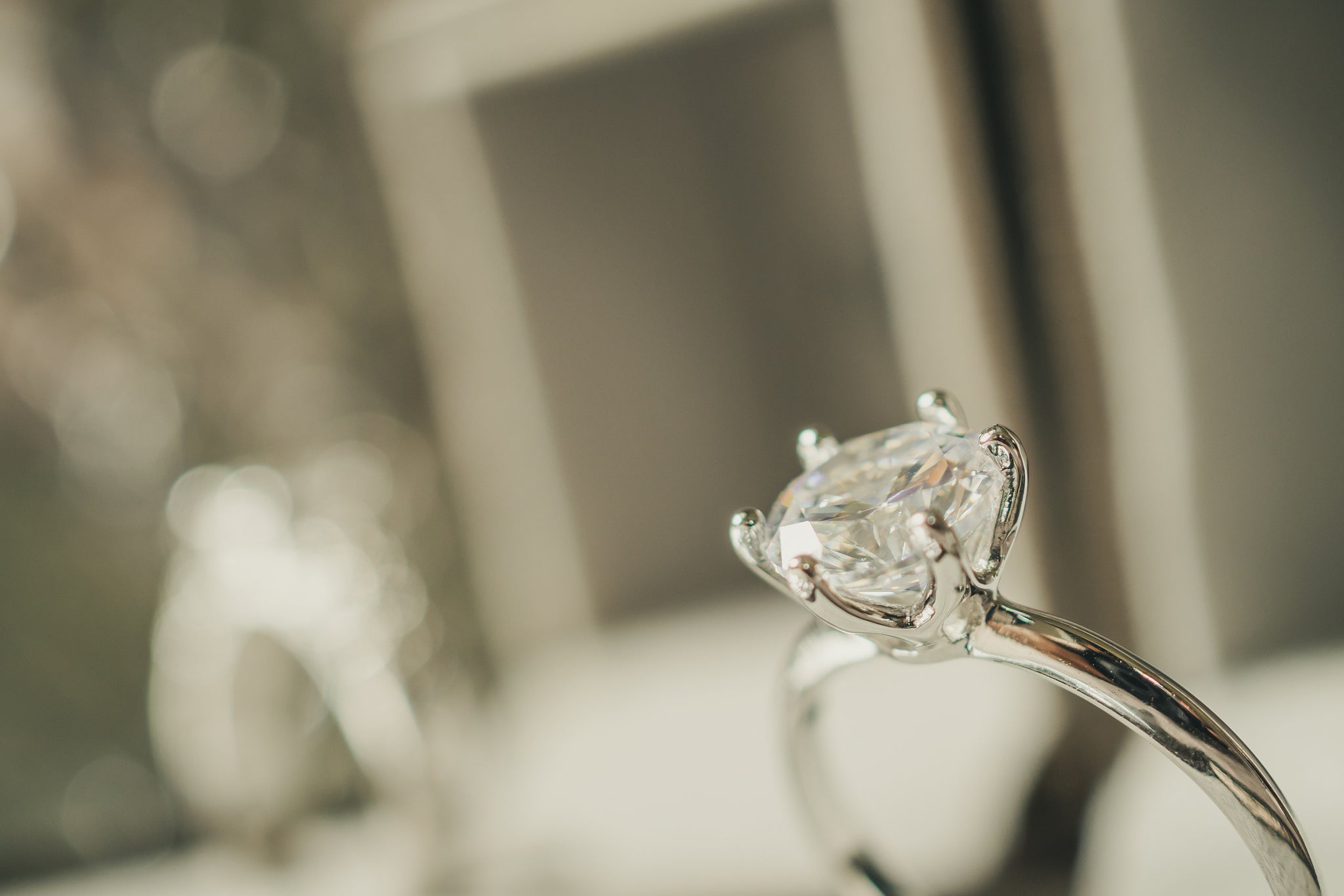
When comparing white sapphire vs diamond, the first noticeable difference is in sparkle and brilliance. Diamonds—especially those with an excellent cut—exhibit what’s known as “fire,” or the colorful flashes of light that occur when white light disperses into the visible spectrum. They also display high “scintillation,” the sparkle that occurs as the stone moves.
White sapphires, on the other hand, have a more muted, cloudy appearance. While still beautiful, their lower refractive index means they don’t reflect light as dramatically as diamonds do. Some describe their luster as more “glowy” than sparkly.
If you’re looking for maximum shine and dazzle—especially in an engagement ring—a diamond (whether mined or man made) typically wins in this category.
Durability and Daily Wear
Hardness and Longevity
When it comes to longevity, hardness plays a crucial role. Diamonds are the hardest gemstone available, making them incredibly resistant to scratching. This quality makes them ideal for daily wear, which is one of the reasons they’re the traditional choice for engagement rings.
White sapphires, though slightly softer at a 9 on the Mohs scale, are still one of the hardest gemstones available. They’re highly resistant to scratching and are more than suitable for everyday use, but over time they may show signs of wear and require repolishing to maintain their appearance.
For someone with an active lifestyle or a hands-on profession, a diamond—especially a lab grown version—might offer better long-term performance.
Ethical and Environmental Considerations
Sourcing Transparency
One of the biggest shifts in the jewelry industry over the last decade has been the growing awareness around ethical sourcing. Traditional diamond mining can come with environmental degradation and humanitarian concerns, including conflict diamonds.
This is where man made diamonds shine. They offer a conflict-free alternative with a lower environmental footprint. Produced in controlled laboratory environments, these diamonds do not involve large-scale mining operations, making them a more sustainable choice.
White sapphires, too, are often considered more ethical than traditionally mined diamonds, particularly when sourced from responsible mining operations. However, they are still extracted from the Earth, meaning some environmental impact remains.
If ethical sourcing and sustainability are important to you, both white sapphires and lab created diamonds can be viable, responsible options—with lab-grown stones offering more transparency in sourcing.
Price and Value: Budget-Friendly Choices
Cost Comparison
One of the major appeals of white sapphires is their affordability. On average, they cost significantly less than diamonds—sometimes up to 80% less—making them an excellent choice for budget-conscious buyers. If you’re looking for a larger center stone without the hefty price tag, a white sapphire may be a smart option.
Man made diamonds, while more affordable than mined diamonds, still tend to be more expensive than white sapphires. However, they provide the added brilliance, hardness, and prestige of a diamond without the ethical baggage or environmental concerns.
In terms of long-term value, diamonds—especially those with ideal cuts and high clarity—tend to hold their value better than sapphires. While resale may not be a priority for most, it’s something worth considering for those looking at their jewelry as an investment.
Customization and Setting Compatibility
Design Possibilities
Both diamonds and white sapphires can be used in a wide variety of settings, from vintage to contemporary styles. However, because diamonds are harder, they tend to be more versatile when it comes to intricate cuts and designs.
Lab grown diamonds are also available in a wider variety of shapes, including oval, emerald, pear, cushion, and radiant cuts. White sapphires are typically cut in simpler shapes due to their lower brilliance, and may not reflect as much light in more complex designs.
Whether you’re envisioning a minimalist solitaire or a glamorous halo setting, man made diamonds offer more flexibility in cut and sparkle, giving jewelers more creative freedom.
Maintenance and Longevity
Keeping Your Gem Sparkling
All gemstones require some care to maintain their beauty. Diamonds repel oil and dirt better than sapphires, meaning they stay looking cleaner for longer. White sapphires, contrast, can develop a hazy appearance if not cleaned regularly.
For best results, clean your gemstones using a soft toothbrush, warm water, and mild dish soap. Avoid harsh chemicals and ultrasonic cleaners unless advised a professional.
If you opt for a white sapphire, consider having it professionally cleaned and polished every couple of years to maintain its clarity and shine.
Final Verdict: Which One Is Right for You?
Choosing between white sapphire vs diamond, especially in the context of man made diamonds, ultimately depends on your priorities.
-
If you value maximum brilliance, exceptional durability, and long-term value, lab grown diamonds are the clear winner.
-
If you’re on a tighter budget and prefer a more subtle, understated look, white sapphires can be a beautiful and cost-effective alternative.
-
For ethically minded buyers, both options present more responsible choices than traditionally mined diamonds—with man made diamonds offering a transparent and sustainable edge.
Regardless of your choice, both gemstones carry their own unique beauty and significance. Whether you’re planning a proposal, customizing a piece of fine jewelry, or simply exploring your options, understanding the differences between these two gems will ensure your purchase is one you can feel proud of—both aesthetically and ethically.