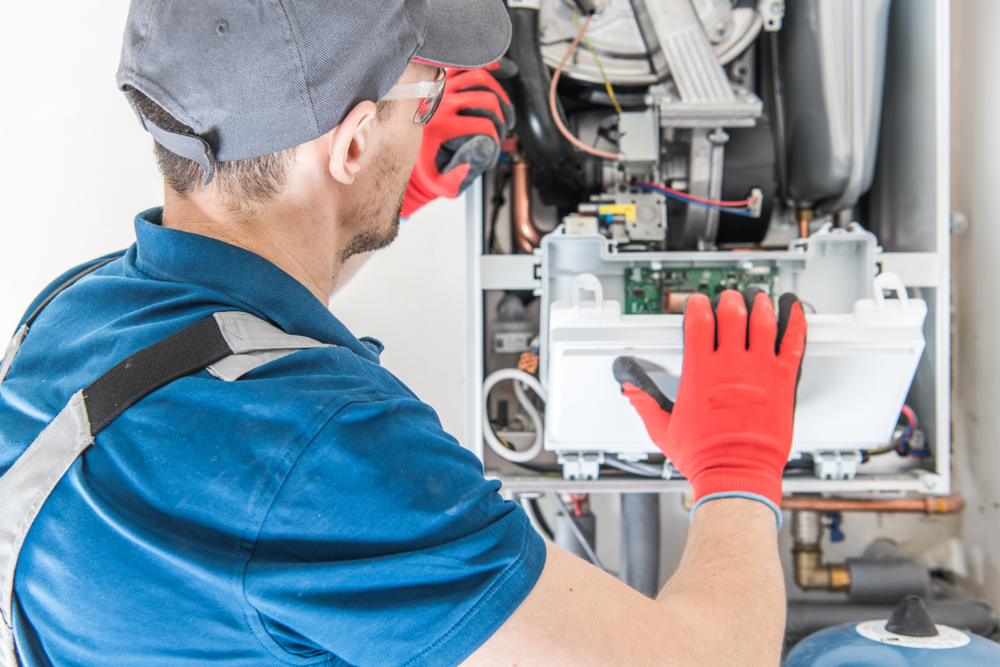

A fixer upper is a property that will require some improvements, repairs, or renovations to make it comfortable, attractive, or ready to sell. They can be a great opportunity for buyers to buy a property with improvement potential that they can personalise and potentially increase in value.
Whether you’re a first-time buyer, experienced investor, or just love home renovations, understanding how fixer uppers work is important. To make sure you achieve success with your project, you will need to have a realistic budget, renovation plan, and good understanding of the property.
What is a fixer upper?
A fixer upper is a house/property that will require some form of improvements to meet the owner’s expectations. The extent of work needed could be minor or major.
Some properties may only require basic renovations such as upgrading old kitchen cabinets, repainting, and flooring. Whereas others may need major work such as foundation issues, roof repairs, or outdated electrics.
Common improvements include:
- Painting walls & ceilings
- Replacing damaged flooring
- Kitchen & bathroom upgrades
- Roof & window repairs
- Improvements to plumbing & electrics
- Water damage & drainage issues
- Outdated lights
Depending on the age, quality, upkeep, and condition of a property will dictate how much work is needed.
Benefits of buying a fixer upper
There are several benefits to purchasing a property that requires improvement.
- Potentially cheaper. Properties requiring improvements may be cheaper than properties in excellent condition. If you have the funds to do the renovations, it can be a great opportunity. However, it is important to ensure that you compare the price of the property, renovation costs, and similar properties that are move-in ready.
- Personalisable. One of the main benefits of a fixer upper is that you can personalise it to suit your lifestyle. You can choose your flooring, paint colours, kitchen cabinets, bathroom fittings, and lighting. You won’t be restricted to someone else’s design. For example, you could completely change your outdated kitchen with new storage cabinets, improved lighting, and new countertops.
- Improvement potential. With well-planned improvements, you can make the property more attractive to potential buyers. Essential repairs, modern kitchen designs, updated bathrooms, and better energy efficiency can make the property more appealing. However, it doesn’t guarantee you will make money. The property value will depend on the location, market, quality of the build, and how much buyers want it.
How to choose the right property
It is important to do your due diligence when finding the right property. Don’t get tempted nice-looking photos and cheap prices.
Inspect the property.
If possible, have a professional home inspection done. Look out for any:
- Cracks to the foundations
- Leaking roof & damaged roof
- Plumbing & electrics
- Damp walls, mould & drainage issues
- Windows, doors & insulation.
Minor issues such as cosmetic damages are usually easier to deal with. Knowing about any issues before purchase will help avoid costly surprises.
Research the area.
The location of a property can impact the value in the future. Look at near schools, hospitals, transport links, shops, road access, and other facilities. Compare prices in the area to get an understanding of if the price is reasonable and if the renovation costs make sense.
How much will it cost to renovate a fixer upper?
The costs will depend on the size of the property, location, labour costs, materials, and how much work is required. Basic painting jobs will be fairly low costs; however, roof replacement, foundation repairs, and electrical upgrades can be very costly.
Before starting your renovation, break your ideas down into three sections:
- Essential repairs – Foundation issues, plumbing, roofing, and electrical safety.
- Functional improvements – Kitchen storage, bathroom fittings, and flooring.
- Cosmetic improvements – Painting, decorative lighting, furnishings, and design.
Getting multiple quotes from contractors and having some extra funds ready can help.
Common mistakes
Sometimes first-time buyers can underestimate how much time, money, and effort will go into renovating a property. Don’t make the following mistakes:
- Don’t have a proper inspection of the property.
- Not knowing about structural issues.
- Too much on the cosmetic improvements.
- Don’t check the experience of contractors.
- Not having a written budget.
- Expensive materials that don’t fit the area.
Having a clear renovation plan will help keep your costs under control and ensure you get the most important jobs done.
Should I buy a fixer upper?
If you have the funds set aside for renovations, time, and a clear understanding of what you want, then it can be a great option. It may also be a good option for property investors wanting to improve outdated properties. However, if you need something that you can move straight into or don’t want to deal with any unexpected repair costs, then it may not be the right option.
Work out how much you’ll be investing, have a look at the building, compare prices in the area, and think about your long-term plans.
Final thoughts
Buying a fixer upper can be an exciting opportunity to create your own space and invest in property. To get the best results, choose a property that has manageable issues, have a realistic budget, and ensure you have essential repairs done.
Take your time, do your research on the area, and work with trusted professionals. With careful planning, you can turn an outdated property into a comfortable, attractive, and valuable home.