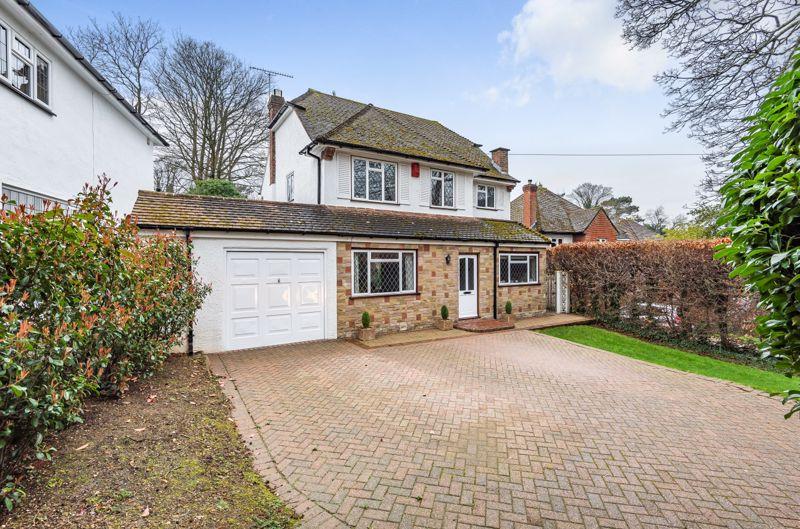

Welcome to Penridge and Chuan Grove Residences! The scent of fresh paint, the pristine feel of new fixtures, the thrill of making a space your own—these are the joys of moving into a brand-new home. As you settle in and begin to build memories, we want to introduce you to a crucial partnership that ensures your home is not just new, but perfect. This partnership is your one-year Defects Liability Period, or DLP.
1. What Exactly is a ‘Defect’? (More Than Just a Scratch)
A defect is any flaw in materials or workmanship that wasn’t apparent during your handover inspection. Over the first year, as you live in your space and use its various features, some issues might emerge. These are the things we are here to fix.
Common defects can include:
- Architectural & Finishing: Hairline cracks in walls or plaster, paint peeling or bubbling, poorly aligned tiles, ill-fitting doors or windows that don’t close smoothly, or defective cabinetry.
- Plumbing & Sanitary: A leaking pipe under the sink, a slow-draining shower, or a toilet that constantly runs.
- Electrical: A power point that doesn’t work, flickering lights, or a faulty air-conditioner installation.
- Mechanical: Malfunctioning door locks or faulty window mechanisms.
The key is that these issues are due to the construction or installation, not from everyday wear and tear or misuse.
2. The DLP in Action: Your 3-Step Reporting Guide
Discovering a defect can be frustrating, but reporting it is simple. Following these steps ensures a smooth and efficient rectification process for everyone.
Step 1: Document It Clearly A picture is worth a thousand words. Before you report anything, take clear photos or a short video of the issue. For a crack in the wall, place a coin or ruler next to it to give a sense of scale. The more visual information you provide, the faster we can diagnose the problem.
Step 2: Report It Through Official Channels To ensure your report is officially logged and tracked, always use the designated reporting system provided the developer. This is typically a resident portal or a specific email address for the DLP team. In your report, be sure to include:
- Your Name and Unit Number
- The Location of the Defect (e.g., “Master Bathroom, wall behind the sink”)
- A Clear Description (e.g., “A 10cm vertical crack has appeared”)
- Attach Your Photos/Videos
Avoid reporting defects verbally to facility staff or security, as these reports may not reach the correct technical team.
Step 3: Confirmation and Access Once your report is submitted, you should receive an official acknowledgement. The DLP team or their appointed contractor will then contact you to schedule a convenient time to inspect and carry out the repairs. Please ensure someone is present to grant access to your unit on the scheduled day.
3. Setting Expectations: What Happens After You Report?
We know you want things fixed instantly, and our goal is to be as prompt as possible. However, quality repairs take time.
- Assessment & Scheduling: The contractor needs time to assess the problem, order the correct materials (especially for unique fixtures), and schedule the appropriate tradesperson.
- The Fix: The repair itself may be quick, but some jobs, like waterproofing a shower, require curing time before they can be tested.
- Who is Responsible? During this one-year DLP, the developer is responsible for all rectification works. The building’s Management Corporation (MCST) only takes over responsibility for the common areas and building services after the DLP ends.
4. Beyond the Basics: What’s Not Covered?
The DLP is our commitment to quality workmanship, but it doesn’t cover everything. This helps delineate responsibility and ensures the process is fair for all residents. The DLP generally does not cover:
- Wear and Tear: Scratches on the floor from moving furniture, scuff marks on walls, or fading due to sun exposure.
- Misuse or Accidental Damage: A chipped tile from a dropped pot, a blocked drain from food waste, or damage caused hanging heavy items on a hollow wall without proper anchors.
- Resident-initiated Modifications: Any issues arising from renovations or changes you made to the unit after taking possession.
5. The Final Check: Approaching the 12-Month Mark
As your one-year anniversary approaches, the developer will typically arrange a final joint inspection. This is a crucial final walk-through of your unit to identify any last-minute defects that may have appeared. It’s your last official opportunity to have any issues logged and rectified under the DLP before the responsibility is formally handed over to the MCST.
Your active participation in this final inspection ensures that when the key is truly turned over, your home is in the flawless condition you envisioned.
Your Home, Our Commitment
The Defects Liability Period is more than a procedure; it’s a foundational part of the trust we build with every resident of Penridge and Chuan Grove Residences. We encourage you to be attentive, report issues promptly, and work with us.