
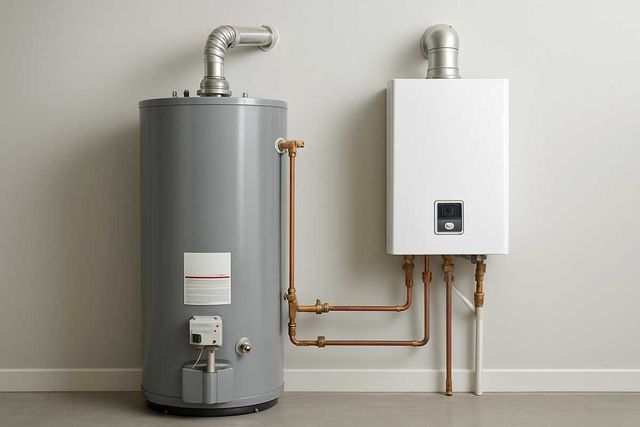
Rising energy bills have become a concern for many households, prompting homeowners to look for practical ways to reduce costs without compromising comfort. One solution that is gaining attention is upgrading to a modern heat pump water heater. This innovative system offers a smarter, more efficient approach to heating water while helping to lower monthly expenses.
Unlike traditional systems that generate heat directly, a heat pump water heater works transferring heat from the surrounding air into the water. This simple shift in how energy is used can make a noticeable difference in both performance and cost.
How Heat Pump Water Heaters Work
A heat pump water heater operates on a principle similar to a refrigerator, but in reverse. Instead of removing heat, it captures warmth from the air and uses it to heat water stored in a tank.
This process requires far less electricity compared to conventional electric water heaters, which rely on resistance heating. As a result, the system delivers the same level of comfort while consuming significantly less energy.
Because it draws heat from the air, it performs best in spaces with moderate temperatures, such as basements, utility rooms, or garages. Proper placement can further enhance efficiency and overall performance.
Immediate Energy Savings You Can Expect
One of the main reasons homeowners consider upgrading is the potential for rapid energy savings. Heat pump water heaters can use up to two to three times less electricity than standard electric models.
This reduction translates into:
- Lower monthly utility bills
- Reduced overall energy consumption
- Improved household efficiency
While the initial investment may be higher, the long-term savings often offset the upfront cost. Over time, the system can pay for itself through reduced energy usage.
Environmental Benefits of Upgrading
Energy efficiency is not only about saving money—it also plays a role in reducing environmental impact. By consuming less electricity, a heat pump water heater helps lower greenhouse gas emissions associated with power generation.
For households aiming to adopt more sustainable practices, this upgrade supports a cleaner, more responsible approach to energy use. It aligns with broader efforts to reduce carbon footprints without requiring major lifestyle changes.
Key Features That Improve Performance
Modern heat pump water heaters come with advanced features designed to maximise efficiency and convenience. These include:
- Smart controls: Allowing users to adjust settings and monitor performance
- Multiple operating modes: Including energy-saving and high-demand options
- Enhanced insulation: Reducing heat loss and maintaining water temperature
These features ensure that the system adapts to different household needs while maintaining optimal performance.
When Is the Right Time to Upgrade?
Timing plays an important role when considering a water heater upgrade. If your current system is over 8–10 years old, shows signs of inefficiency, or struggles to meet demand, it may be time to explore a replacement.
Frequent repairs, inconsistent water temperature, and rising energy bills are all indicators that your existing unit may no longer be operating efficiently. Switching to a heat pump water heater at this stage can prevent further costs and improve reliability.
Additionally, upgrading during a planned home improvement project can make installation smoother and more cost-effective.
Installation Considerations to Keep in Mind
Before installing a heat pump water heater, it is important to assess your home’s layout and available space. Since the system relies on ambient air, it requires adequate airflow and sufficient room to operate effectively.
Other considerations include:
- Proper ventilation
- Access to a suitable electrical supply
- Placement in a location with stable temperatures
Consulting a qualified professional ensures that the system is installed correctly and performs as intended. A well-planned installation can significantly impact long-term efficiency.
Long-Term Value Beyond Energy Savings
While reduced energy costs are a major advantage, the benefits of a heat pump water heater extend beyond monthly savings. These systems are known for their durability and reliability, often lasting longer than traditional units when properly maintained.
They also add value to a property improving its energy efficiency profile. For homeowners considering future resale, this can be an attractive feature for potential buyers.
Moreover, many regions offer incentives or rebates for energy-efficient upgrades, making the investment even more appealing.
Conclusion
Upgrading to a heat pump water heater is a practical step towards reducing energy costs while enhancing household efficiency. By using ambient air to heat water, the system delivers consistent performance with significantly lower energy consumption.
For homeowners seeking a balance between comfort, cost savings, and environmental responsibility, this upgrade offers a compelling solution. With the right installation and proper use, it can provide long-term value and dependable performance for years to come.


