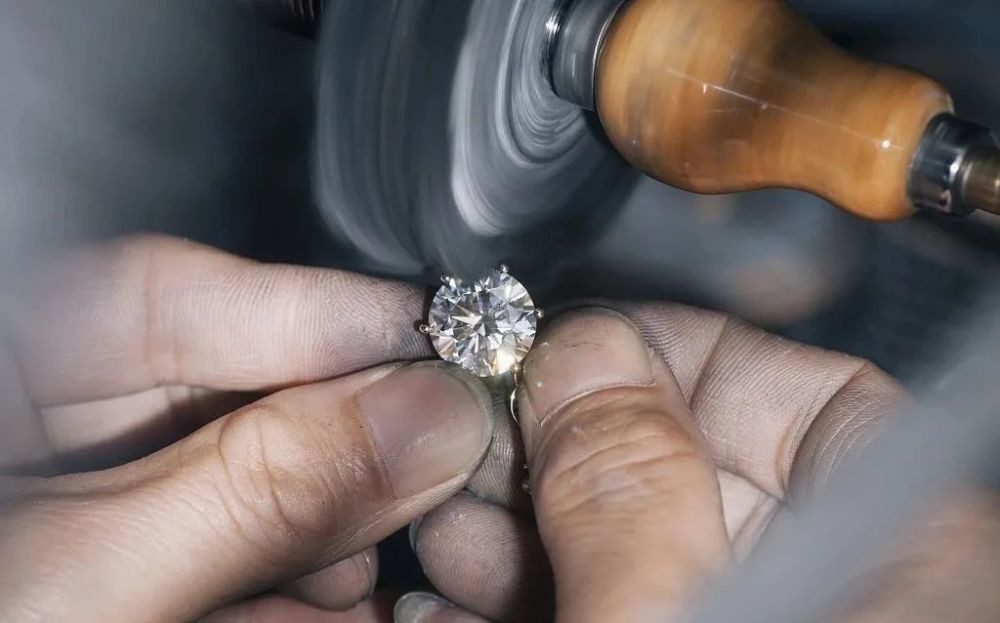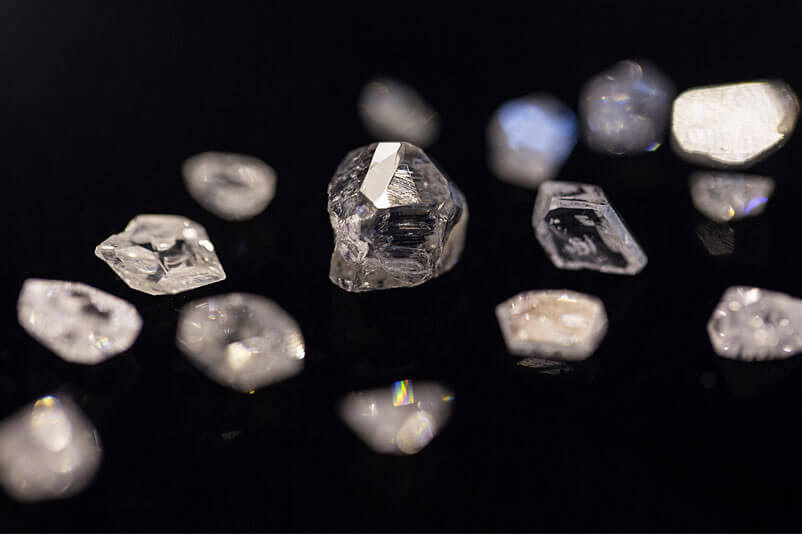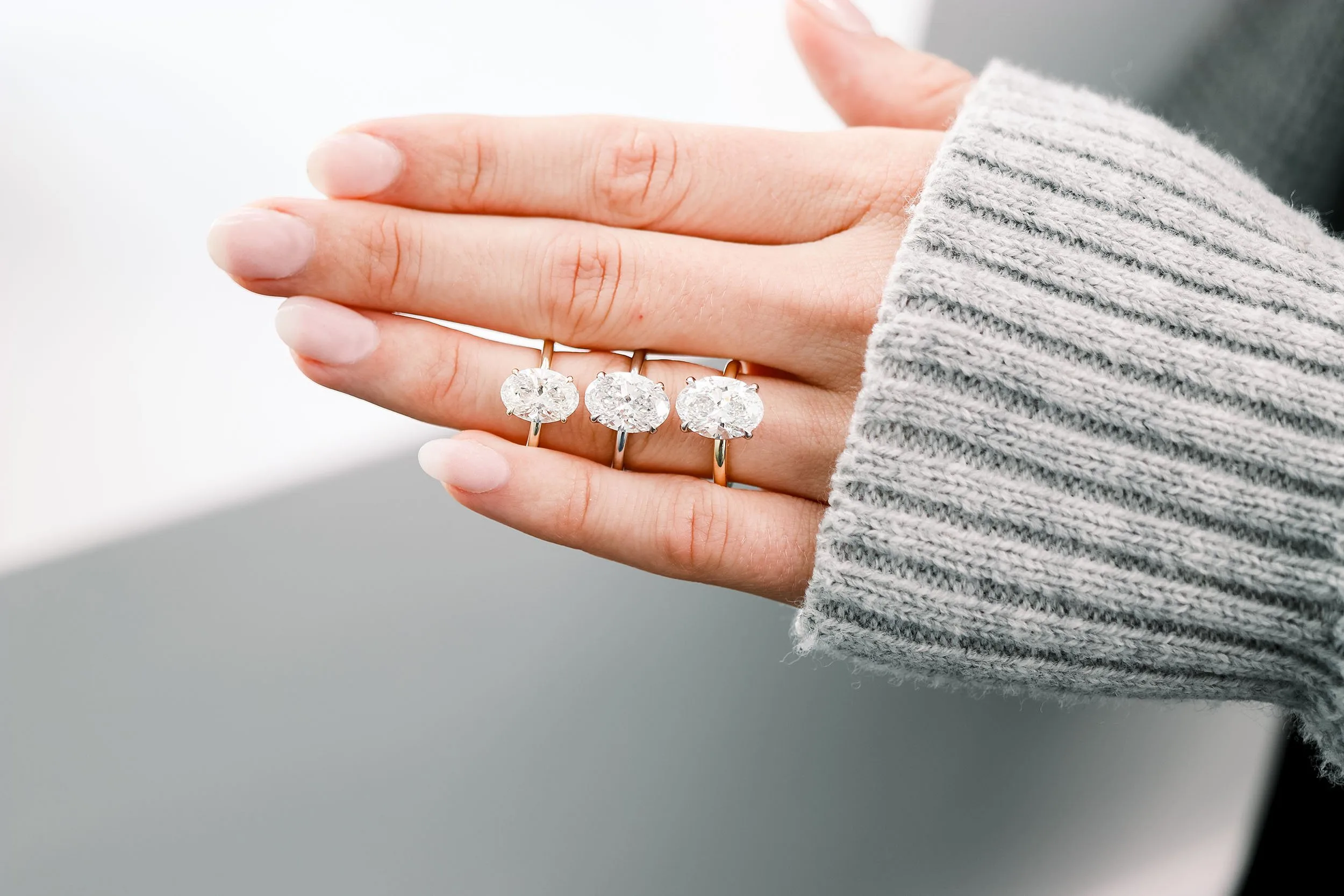

A diamond buyer once had a fairly predictable set of decisions to make: shape, size, quality, setting and budget. The growth of laboratory-grown diamonds has added another question — where should the diamond come from?
That change matters because a lab-grown diamond is not simply a visual substitute for another stone. It is diamond material produced under controlled conditions rather than formed underground. For buyers, this creates a different purchasing route while keeping familiar considerations such as cut, colour, clarity, carat weight and jewellery craftsmanship.
The development of Novita Diamonds fits within this broader change in how people research and purchase fine jewellery. Its focus on laboratory-grown stones also offers a useful case study in what modern diamond buyers should examine beyond a brand name.
From a Specialist Category to a Serious Jewellery Option
Lab-grown diamonds spent years being misunderstood. Some buyers still confuse them with diamond simulants such as cubic zirconia or moissanite.
The distinction is significant. A laboratory-grown diamond has the crystal structure and fundamental chemical composition associated with diamond. Its origin is different: technological processes create the conditions required for diamond growth rather than relying on geological formation.
For jewellery buyers, that means familiar quality differences still exist. Two laboratory-grown stones of equal carat weight can look noticeably different because of their cut, proportions, colour and clarity.
This is why the history of a lab-diamond-focused jeweller is less useful if viewed only as a company story. The more relevant question is how the category has changed the way customers compare diamonds.
What the Novita Story Says About Changing Buyer Priorities
Novita Diamonds originated in Australia and has since developed a presence in other markets, including Hong Kong. The company focuses on lab-grown diamond jewellery, including engagement rings, wedding bands and fine jewellery. Independent Hong Kong lifestyle publications also list a Novita showroom in Tsim Sha Tsui.
Readers researching the Novita lab grown diamonds story can use it as a starting point for a broader question: what should change in your buying process when the diamond is laboratory-grown?
The answer is surprisingly practical. Origin matters, but it should not distract from the characteristics you will actually see on your hand.
A large stone with weak proportions may be less visually appealing than a slightly smaller diamond with a well-executed cut. Likewise, paying for an extremely high clarity grade may offer little visual benefit if a lower grade is already eye-clean at normal viewing distance.
Those trade-offs matter more than simply pursuing the highest specifications on paper.
The 4Cs Still Need to Be Read Together
Lab-grown diamonds have not made traditional diamond assessment irrelevant. Cut, colour, clarity and carat remain useful, but buyers get better results when they understand how those characteristics interact.
Cut deserves close attention
For a round brilliant diamond, cut quality has a strong influence on brightness, fire and overall appearance. Fancy shapes require a more visual assessment because two stones carrying similar specifications can have noticeably different outlines and light performance.
An oval may appear too narrow or too lab diamonds for your preferred ring design. A pear shape needs an attractive balance between its rounded end and point. Emerald cuts expose inclusions more readily because of their large, open facets.
Carat weight alone tells you very little about these visual differences.
Clarity should serve a purpose
A higher clarity grade is not automatically the sensible purchase.
Ask whether an inclusion is visible without magnification, where it is positioned and whether it affects the appearance of the stone. An eye-clean diamond can provide the visual result a buyer wants without paying for microscopic differences that are difficult to see during ordinary wear.
Colour interacts with the setting
Metal choice can change how you perceive a diamond’s colour.
Platinum and white gold create a cool-toned setting, while yellow and rose gold introduce warmer surrounding tones. Rather than choosing the diamond grade independently, compare it with the metal and ring design you intend to wear.
Certification Is Useful, but Read the Report
A grading report should be treated as information, not decoration.
Check which laboratory issued the report and confirm that its identifying information corresponds with the diamond being offered. Review the shape, measurements, carat weight, colour, clarity and any available cut information.
Some reports may also contain details about fluorescence, growth method, treatments or inscriptions.
The practical lesson is simple: do not stop at “certified.” Ask what the document actually tells you about the stone.
Novita also provides examples of laboratory-grown diamond certificates containing information such as measurements, grading results, fluorescence, inscriptions and growth method.
Ring Design Can Matter as Much as Diamond Size
The shift toward lab-created diamonds can encourage buyers to consider a larger centre stone, but increasing carat weight changes the design problem.
A larger diamond may sit higher on the finger and can require a setting with suitable structural support. High-set rings may catch more easily on clothing or gloves. For someone who works frequently with their hands, a lower-profile design may be easier to live with.
Setting choice deserves similar attention.
A bezel surrounds more of the diamond and can provide additional protection around the edge. Prong settings expose more of the stone but require periodic inspection. Pavé detailing adds surface sparkle while introducing many small stones and settings that need sensible care.
There is also the wedding-band question. A hidden halo, low basket or unusually shaped engagement-ring setting may prevent a straight wedding band from sitting flush beside it.
That detail is easy to overlook during engagement-ring shopping and very noticeable later.
What Hong Kong Buyers Should Check Before Ordering
For buyers in Hong Kong, comparing diamonds online can narrow the search quickly, but specifications on a screen do not answer every question.
Before committing to a ring, ask for precise diamond measurements rather than relying solely on carat weight. If possible, compare videos or actual stones under more than one lighting condition. Confirm the ring size, metal choice, setting height and expected relationship between the engagement ring and any future wedding band.
If the jewellery is being customized, clarify which elements can still be changed once production begins.
It is also sensible to ask about resizing limits. Some designs, particularly eternity-style bands or rings with extensive pavé work, can be more complicated to resize than a simple solitaire.
A Better Way to Judge the Story Behind the Stone
The useful lesson behind Novita’s development is not that buyers should replace one simple purchasing rule with another. Choosing a laboratory-grown diamond still requires judgment.
Start with the appearance you want, then work backward through shape, proportions, carat weight, colour and clarity. Examine the grading documentation rather than treating a certificate as a quality guarantee. Consider how the setting will behave during everyday wear and how it will pair with a wedding band.
For an engagement ring, those decisions continue to matter long after the question of where the diamond was grown has been answered.