
Diamonds have long represented love, commitment, and luxury. Yet some of the world’s most valuable gemstones have a troubling history. Behind their polished surfaces are stories of armed conflict, exploitation, and communities devastated violence.
So, what are blood diamonds, and why have they raised serious concerns in the jewelry industry? Also called conflict diamonds, these stones have helped finance armed groups, particularly during civil wars in parts of Africa.
Although international regulations have improved oversight, questions about ethical sourcing remain relevant for anyone purchasing diamond jewelry.
What Makes a Diamond a Blood Diamond?
A blood diamond is a rough diamond mined or traded to finance armed conflict against legitimate governments. Rebel groups have historically used diamond sales to purchase weapons, support military operations, and maintain control over valuable mining territories.
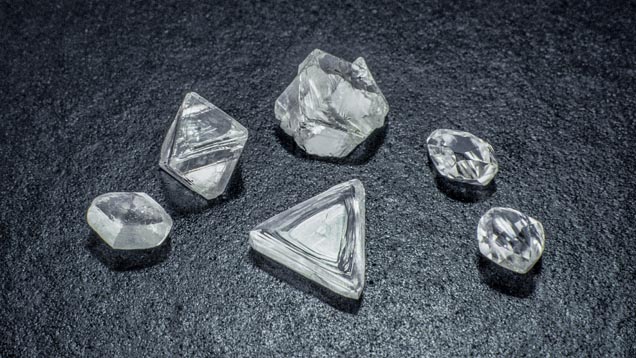
Unlike ordinary diamonds, conflict diamonds are defined their connection to violence, not their physical characteristics. Their color, clarity, cut, and sparkle offer no indication of their origin.
A gemstone extracted from a conflict zone can look identical to one mined under regulated conditions. This makes documentation and supply chain transparency essential.
The Countries Behind the Conflict Diamond Crisis
The international controversy surrounding blood diamonds gained attention during the 1990s and early 2000s. Several African countries experienced devastating conflicts in which diamond revenues helped sustain armed violence.
Sierra Leone and Its Civil War
Sierra Leone became one of the most widely documented examples during its civil war from 1991 to 2002.
The Revolutionary United Front (RUF) seized control of diamond-producing regions and used gemstone revenues to support its rebellion. Civilians experienced forced labor, displacement, amputations, and other severe human rights abuses.
The conflict exposed how valuable natural resources could prolong violence rather than improve local living conditions.
Angola and the Democratic Republic of the Congo
Angola faced similar problems during its prolonged civil war. The rebel movement UNITA financed military activities through illicit diamond trading, particularly during the 1990s.
The Democratic Republic of the Congo also experienced conflicts involving competition over natural resources, including diamonds.
These cases demonstrated how weak oversight and smuggling networks could connect international jewelry markets with distant conflicts.
The Kimberley Process and Its Limitations
In response to growing international pressure, governments, diamond industry representatives, and civil society organizations developed the Kimberley Process Certification Scheme (KPCS).
Introduced in 2003, the system aims to prevent conflict diamonds from entering legitimate international trade.
Participating countries must meet minimum requirements for controlling rough diamond imports and exports. Shipments between participants generally require Kimberley Process certificates.
However, the system has limitations.
Its definition of conflict diamonds focuses on rough stones used rebel movements to finance conflicts against governments. It does not comprehensively address unsafe working conditions, environmental damage, or human rights violations committed state authorities.
Certification also does not automatically establish the complete history of an individual polished diamond.
Can Buyers Identify Conflict Diamonds?
People researching what are blood diamonds often assume these gemstones can be identified through visual inspection.
Unfortunately, no visible feature reliably separates conflict diamonds from ethically sourced stones. Professional grading reports assess characteristics such as carat weight, clarity, color, and cut, but they do not necessarily verify ethical origin.
Consumers should instead ask jewelers specific questions about sourcing.
Useful questions include the country of origin, available traceability records, supplier auditing practices, and whether independent verification supports the seller’s claims.
A retailer willing to explain its supply chain provides more meaningful information than one relying solely on vague ethical marketing statements.
Are Lab-Grown Diamonds a Better Alternative?
Growing concerns about mining practices have increased interest in lab made diamonds.
These gemstones are produced in controlled facilities using technologies such as chemical vapor deposition (CVD) and high-pressure, high-temperature (HPHT) processes.
They have essentially the same chemical composition and crystal structure as natural diamonds, making them genuine diamonds rather than imitation stones.
Because they do not require diamond mining, they avoid some risks associated with extracting natural stones from conflict-affected regions.
However, laboratory production still consumes energy and resources. Its environmental impact depends partly on electricity sources, manufacturing efficiency, and production practices.
Buyers should therefore consider a manufacturer’s transparency rather than assuming every laboratory-grown stone has identical sustainability credentials.
Making a More Responsible Jewelry Purchase
Ethical diamond shopping requires looking beyond appearance and price.
Reputable jewelers should provide clear information about sourcing policies and explain what their certifications actually cover. Traceable natural diamonds, recycled stones, and independently assessed suppliers can offer additional purchasing options.
For shoppers prioritizing an alternative to newly mined gemstones, lab made diamonds may also be worth considering, especially when manufacturers disclose their energy use and production standards.
The most useful question is not simply whether a diamond looks beautiful. It is whether the seller can support its claims with credible evidence.
Understanding what are blood diamonds helps consumers recognize the human consequences that can exist behind luxury products. Informed purchasing decisions encourage greater accountability and make transparency a meaningful part of choosing fine jewelry.