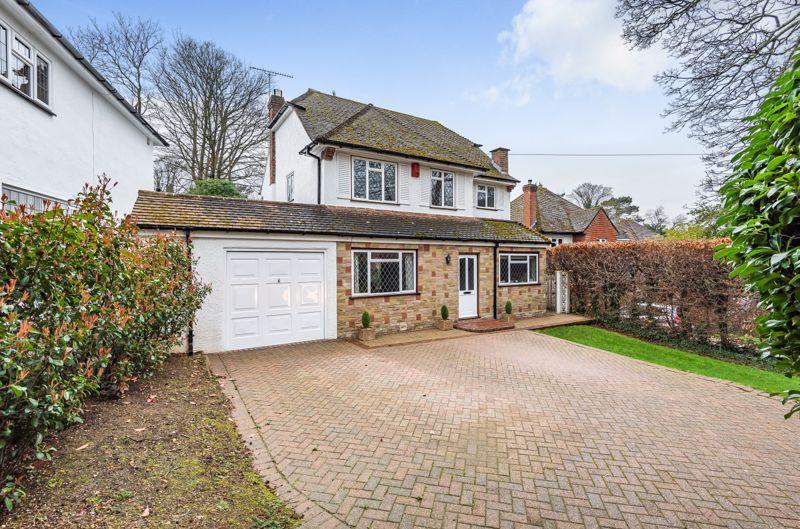

Investing in property can provide many benefits including developing your wealth longer term, generating rental income, and boosting your overall mortgage portfolio. Investors should ensure they understand how the market works, understand your costs, and look for the right properties. This beginner property investment guide will guide you through the fundamental parts of investing in property including which property to choose, costs estimation, rental income, and not falling into the usual pitfalls. When choosing an apartment, home, or commercial space, having an overall strategy will always help you during the process.
How Does Property Investing Work?
Investing in property means purchasing property with a view to make a profit either through rental income or capital gain. Common types of property investing are:
- Residential: Purchasing homes, apartments/flats to create rental income.
- Commercial: Purchasing a commercial property such as an office, shop, or warehouse.
- Land: Purchasing land to increase in value.
- Rental: Buying a property to create rental income.
For example, you may buy an apartment to create rental income. This would consist of monthly rental payments. The property may appreciate in value. However, there is no guarantee of any rental or capital gains.
Determine Your Investment Budget
Work out how much of an investment you are happy to make. Consider other costs:
- Deposit/Initial purchase costs
- Legal Fees
- Taxes
- Repairs/Maintenance
- Insurance (if applicable)
- Loan interest + other costs
- Vacancies or unoccupied periods
Try not to put all your savings into your investment. But try to have some to save in case of emergencies. Create a realistic budget. Example: If you are considering renting an apartment, let’s calculate the rental income. You must take into consideration how much monthly rental income you expect and deduct the loan repayments, maintenance, and other costs. If the property is resulting in a negative cash flow, then you may need extra savings. Having a realistic budget will help you with no pressure on your finances.
Research the Market
Location is key. Finding a property at a good price in the perfect area may be more beneficial. Choose a property that is within your budget and keep away from expensive properties in poor areas. Research:
- Near schools, hospitals, transport links.
- Job opportunities near.
- Road access.
- Is it safe? Is it well known?
- Rental demands.
- Recent property sales.
Choosing an apartment close to transport links and large employing businesses can help attract tenants. Don’t just go on what the seller says they will be developing in the future. Research!
Choose the Right Property to Invest In
This depends heavily on your budget, how you want your finances, your experience, and willingness to deal with tenants. Following a beginner property investment guide can help structure these decisions effectively.
Residential Properties
Many beginners will tend to invest in residential properties to create a rental income. Purchase of apartments or smaller houses can be easier to understand.
Commercial Properties
Shops, offices, and warehouses can provide different rental opportunities. However, they can require more capital and specialist knowledge. They do require you to research how much demand there are for businesses in the area.
Land
Investing in land can be a great option for long-term capital gains. However, it is unlikely to bring in a consistent rental income. Always double-check the property has proper ownership papers, restrictions on the zoning of the property, road access, and permission for developments.
Rental Income and Yields
Know about rental yields to help with your investment options. Gross rental yield can be calculated using this formula:
Gross Rental Yield = (Annual Rental Income / Property Purchase Price) x 100
For example, if I purchase an apartment for $100,000 and receive $800 per month:
- Annual rent = $9,600
- Property purchase price = $100,000
- Gross rental yield = 9.6%
This does not include maintenance costs, rental yield, absence, and management charges. To give you a realistic idea, try calculating net rental income. This will help you to understand how much money it can actually bring in.
Double Check the Papers
Property papers are always a very important part of any property purchase. Do not rely on what the seller says. Check:
- Ownership Papers
- Building approvals
- Outstanding taxes
- Mortgage/Legal papers
- Boundaries and measurements
- Existing rental contracts
Employing someone professional to look through papers. By speaking to a qualified property lawyer, you will be able to understand if there are any ownership issues.
Common Mistakes to Avoid
As emphasized in any beginner property investment guide, sometimes beginners make huge decisions due to wanting to make a profit. Some common mistakes to avoid:
- Not researching the property location.
- Going over budget with purchase price.
- No consideration to repairs/maintenance.
- Assuming prices will only rise.
- No checks on paper ownership.
- Taking on an unaffordable mortgage.
- Assuming rental income is unrealistic.
Be patient when comparing properties. The choice should be a good investment for you without unrealistic assumptions.
Plan for the Future
Most real estate can take some patience. Prices can fluctuate depending on economic conditions, interest rates, high demand in the local area, and developments in the local area. As a great beginner property investment guide, it’s always good to think long term. Start with smaller investments, keep track of costs, and keep the property well maintained. Ensure you look at your finances regularly. If considering buying more properties in the future, ensure you don’t put all your money into one particular place or property. Seek knowledge from experienced real estate professionals, financial advisors, and property lawyers.
Final Thoughts
Property can provide great opportunities to create rental income and grow your wealth. It is quite an involved investment requiring some research, patience, and careful planning. Get an understanding of your budget, local research, paper checks, and realistic rental yields. Don’t rush into purchasing. Create a strategy at the start starting with an affordable property. Understand the risks. Referring to a comprehensive beginner property investment guide will allow a great foundation for your property investing with sensible decisions and realistic expectations.